
The Science Behind Synthetic Turf Heat: A Technical Overview on Surface Temperatures and TºCool® Cooling Technology
A review of solar radiation, thermal equilibrium, field testing, and independent verification demonstrating how TºCool evaporative cooling technology can reduce synthetic turf surface temperatures by 30°F–60°F.
Synthetic turf has transformed modern landscaping, sports fields, playgrounds, pet areas, and commercial outdoor spaces. It offers year-round usability, lower maintenance requirements, improved durability, and a consistently uniform, attractive appearance compared to natural grass. But despite all of these advantages, one concern continues to dominate conversations around artificial grass:
Heat.
If you’ve ever walked across synthetic turf during the summer, you already understand the heat problem. Turf surfaces can become extremely hot under direct sunlight — sometimes dangerously hot. Synthetic turf surface temperatures as high as 200°F have been recorded under peak summer conditions.
That level of heat is not only uncomfortable; it can create serious usability and safety concerns for athletes, children, pets, and homeowners.
The good news is it can be effectively reduced with the right technology. That’s where TºCool® comes in.
Why Synthetic Turf Gets So Hot
The primary reason synthetic turf heats up is not because the outside air is hot. Instead, it is caused by the turf surface absorbing and radiating solar radiation from the sun.
Sunlight contains several forms of energy:

Ultraviolet (UV) Radiation
Visible light
Infrared radiation
While UV rays are often discussed because they can damage turf fibers over time, the real source of turf heat comes from the visible and infrared wavelengths of sunlight. Together, these make up nearly all of the sun’s radiant energy reaching the Earth’s surface.
Synthetic turf systems absorb a large percentage of this energy because of:
Hydrocarbon-based materials that naturally absorb infrared energy
Lack of Heat sink effect that is found in a natural grass system
Once that energy is absorbed, the turf surface temperature rises dramatically.
Unlike natural grass, synthetic turf does not naturally cool itself through biological processes like photosynthesis, evapotranspiration, and heat sink effect. Natural grass contains moisture and continuously releases water vapor into the air, helping regulate surface temperature. Synthetic turf lacks this natural cooling mechanism.
That is why natural grass surfaces often remain close to ambient air temperature, while synthetic turf can become significantly hotter.
Solar Radiation Matters More Than Air Temperature
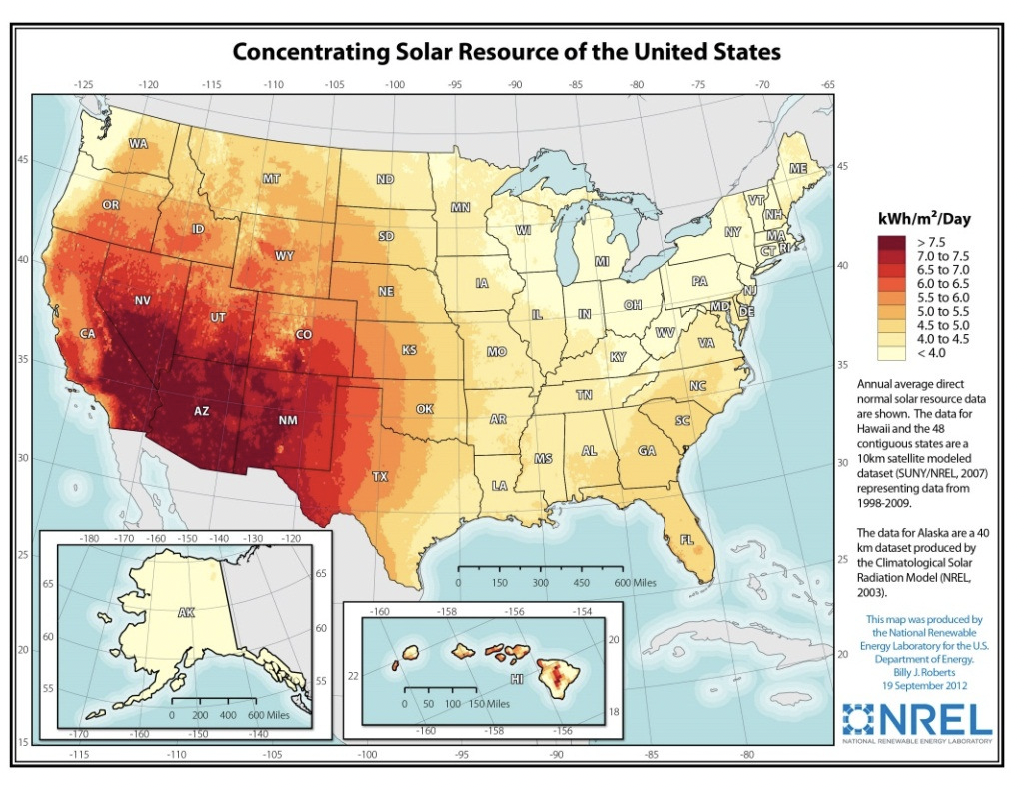
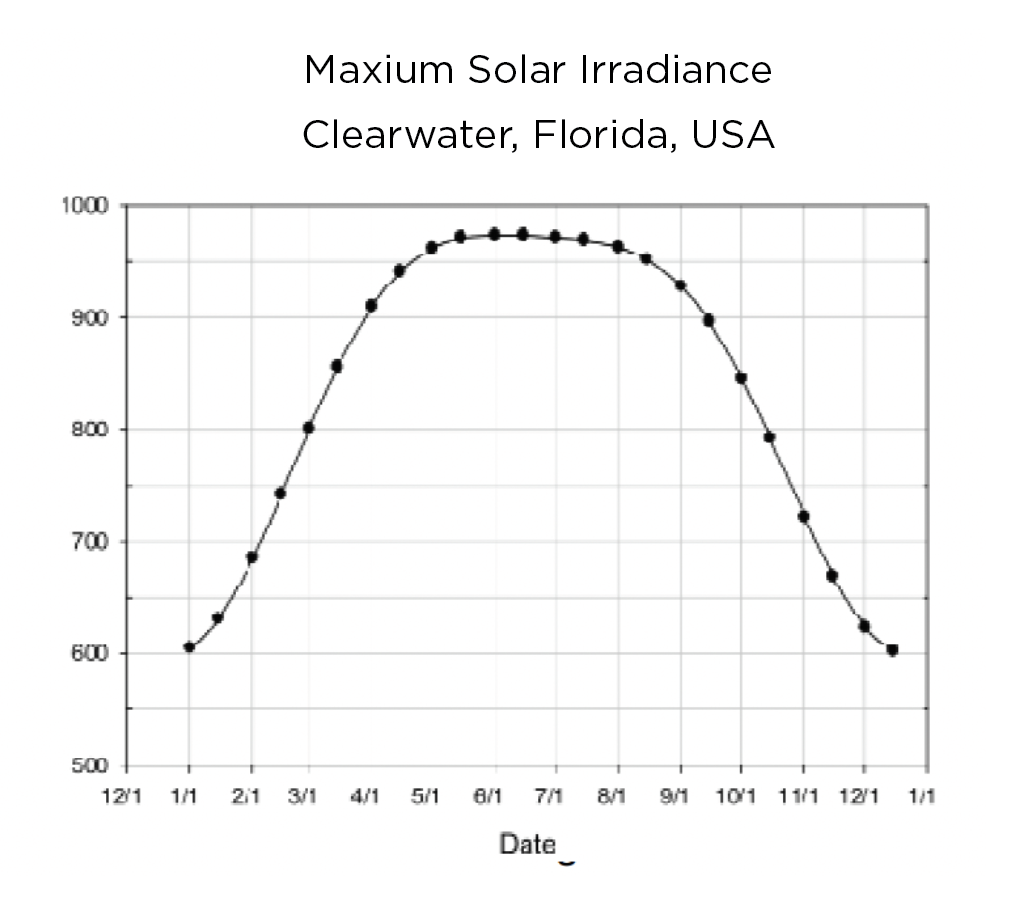
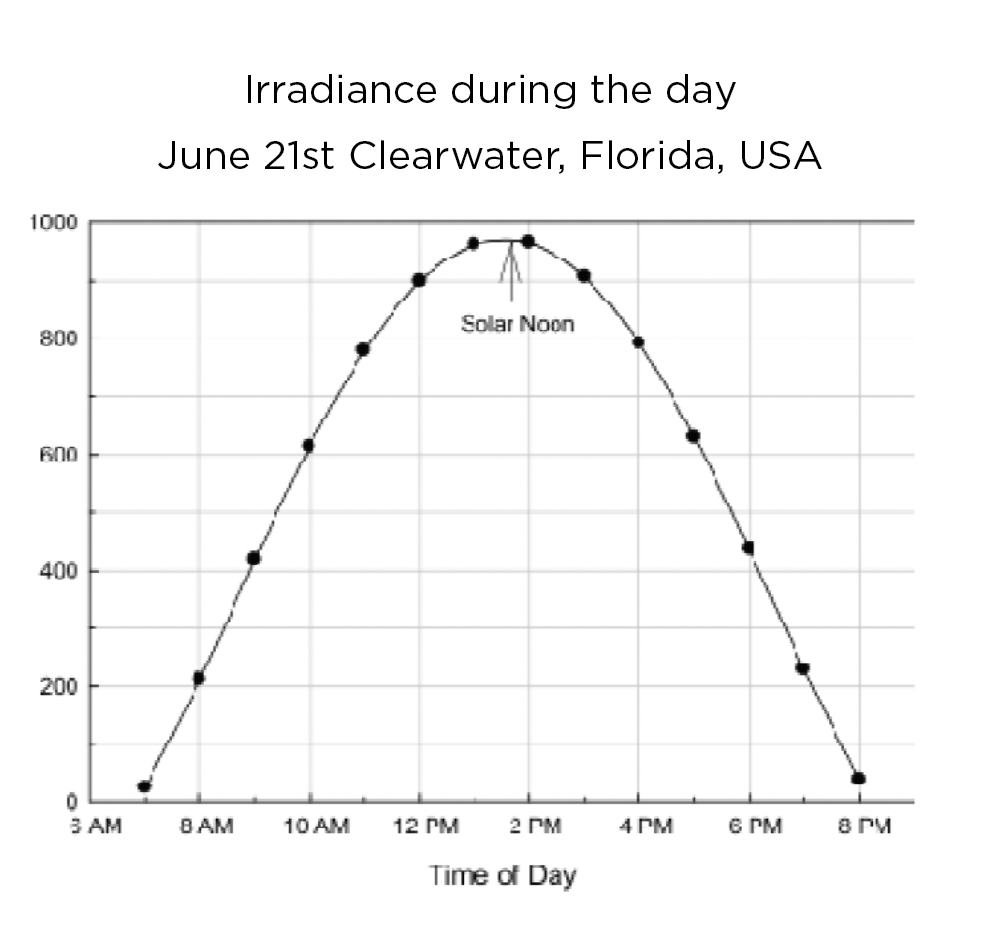
Turf temperature is closely tied to solar irradiance — the intensity of sunlight striking the surface.
In fact, field testing showed a nearly perfect linear relationship between solar radiation and turf surface temperature, with a correlation coefficient of r² = 0.997.
This means:
Turf gets hottest near solar noon
Turf gets hotter during summer months
Turf gets hotter in regions closer to the equator
Cloud cover dramatically impacts surface temperatures by blocking solar radiation
This also explains why synthetic turf can feel extremely hot even on days when the air temperature itself is relatively moderate.
Traditional Turf Cooling Methods Fall Short
For years, the most common method used to cool synthetic turf was simple water irrigation. While spraying water on hot turf creates an immediate cooling effect, the results are short-lived.
Untreated turf cools briefly when watered because the water rapidly evaporates from the hot surface. Once the surface dries, temperatures quickly climb back to uncomfortable levels — often within 90 minutes.
This creates several problems:
Constant rewatering
Increased water usage
Temporary cooling only
Simply spraying water onto standard synthetic turf is not a long-term solution.
How TºCool® Works
TºCool® Technology was developed specifically to solve the heat problem without negatively impacting the appearance or performance of modern synthetic turf systems.
Instead of trying to block sunlight, TºCool® Technology transforms and removes heat energy through sustained evaporative cooling.
The concept is similar to how the human body cools itself through sweating.
When our bodies heat up:
Sweat glands release moisture
Water absorbs heat from the skin
The water evaporates
Heat leaves with the evaporating moisture
TºCool® operates using the same scientific principle.
When hydrated, TºCool® stores water within the infill system. As the turf surface heats up from solar radiation, that stored moisture slowly evaporates, continuously removing heat from the turf surface before temperatures can spike dramatically.
Even more importantly:
As temperatures increase, evaporation increases
As evaporation increases, cooling intensifies
This creates a responsive cooling system that naturally adapts to hotter conditions.
Check out our FAQ blog to learn more.
TºCool - Real-World Temperature Reduction
During early field testing in locations including Arizona, Florida, and Georgia, TºCool® Technology consistently demonstrated substantial temperature reductions compared to untreated turf.
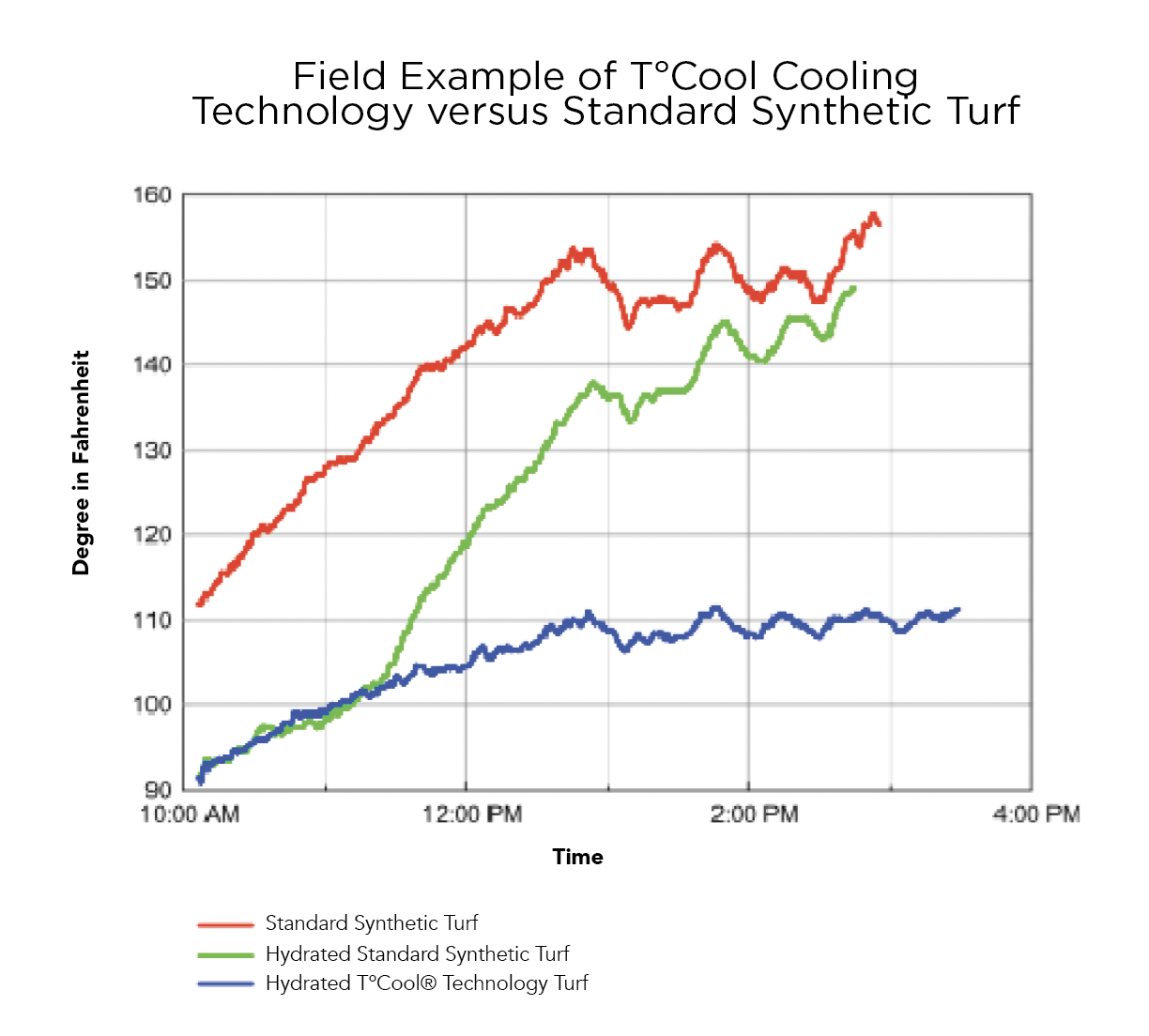
On one test day in Kennesaw, Georgia:
TºCool® Technology treated turf was hydrated before testing
Surface temperatures were measured throughout the day
Maximum temperature differences ranged from 40°F to 60°F cooler than untreated turf during peak heat conditions
Independent third-party testing further validated these findings. During one evaluation, TºCool® Technology treated turf measured 33°F cooler than standard synthetic turf surfaces. The independent analysis concluded that the cooling mechanism provided by TºCool® technology behaved similarly to the natural cooling effects of real grass.
Long-Lasting Cooling Performance
One of the biggest advantages of TºCool® over traditional watering methods is duration.
Full hydration of TºCool® Technology can remain effective for two to three days, even longer depending on:
Weather conditions
Humidity
Cloud cover
Wind
Time of year
Morning dew and rainfall can also extend hydration duration naturally.
Unlike standard turf that rapidly reheats after watering, TºCool® continues providing evaporative cooling over extended periods because the water is retained within the system rather than flashing off the surface immediately.
A Smarter Approach to Synthetic Turf Cooling
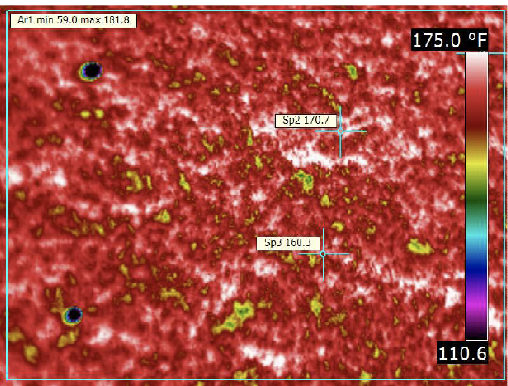
FDLR Image of Standard Synthetic Turf.
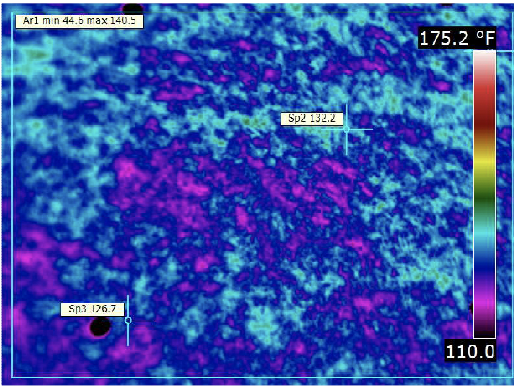
FDLR Image of Synthetic Turf Infused with TºCool Technology
The synthetic turf industry has spent years searching for solutions to excessive surface heat. Many alternative infills and lighter-colored materials have attempted to reduce temperatures, but most provide only limited improvement or compromise the aesthetics and performance of the turf system.
TºCool® takes a different approach.
Rather than attempting to stop the sun from heating the turf, TºCool® actively removes heat from the system through controlled evaporative cooling — mimicking one of nature’s most effective cooling processes.
The result is:
Cooler synthetic turf surfaces
Longer-lasting comfort
Reduced heat buildup
Improved usability during hot weather
A more natural playing and living experience
As synthetic turf continues to grow in popularity across residential, commercial, athletic, and pet applications, cooling technology is no longer optional in many climates — it is essential.
And according to the science, testing, and field performance outlined in the TºCool® White Paper, evaporative cooling technology may be the most effective long-term solution currently available.